

Turkey at a Glance
| Planning question | Practical answer |
|---|---|
| Capital | Ankara |
| Largest city and major international gateway | Istanbul |
| Currency | Turkish lira (TRY); check current rates before paying |
| Language | Turkish; English is commonly used in major tourism areas, but not everywhere |
| Time zone | Türkiye uses UTC+3 throughout the year |
| Ideal trip length | 3–5 days for one area; around 7–14 days for a multi-region route |
| Best transport | City public transport, intercity buses, selected rail routes and domestic flights |
| Entry rules | Depend on passport nationality, document type and travel purpose; check official guidance |
Where Should You Go in Turkey?
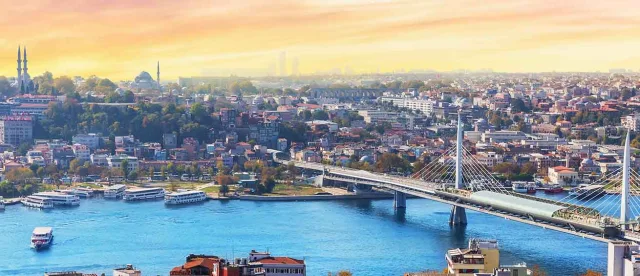
Istanbul: history, neighborhoods and life on the Bosphorus
Istanbul is the natural beginning for many international visitors. Spend time around Sultanahmet to see the historic peninsula, cross to Galata and Karaköy for cafés and viewpoints, and take a ferry to appreciate how the city is shaped by the water. Allow at least two full sightseeing days if this is your first visit; three or four days makes a more relaxed introduction.
Discover the available Istanbul tours and local experiences, or browse Turkey tours if you want to combine the city with other destinations.
Cappadocia: fairy chimneys, valleys and cave heritage
Cappadocia rewards travelers who stay longer than a single rushed day. Walk among the rock formations, explore the Göreme area, visit cave churches and consider an underground-city excursion if it suits your mobility and interests. Hot-air-balloon flights are a celebrated option, but departures depend on weather and operational approval; a flight is not guaranteed merely because it is booked.
Browse Cappadocia tours, including longer itineraries, and read our best time to visit Turkey guide before planning a balloon-focused visit.
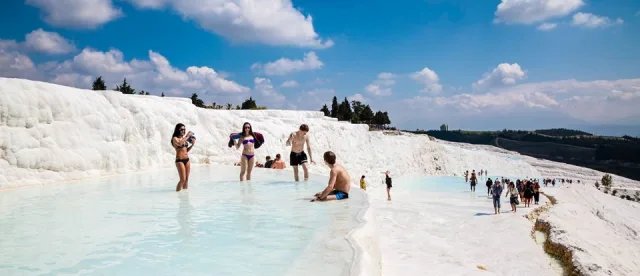
Pamukkale and Hierapolis: natural terraces and ancient history
Pamukkale's white travertine landscape is paired with the archaeological remains of Hierapolis near Denizli. Plan time for both the geological site and the ancient city rather than treating the terraces as a quick photo stop. Access to individual pools or walking areas can change for conservation purposes; follow posted site guidance.
Explore Pamukkale travel options or consider a Cappadocia and Pamukkale multi-day tour.
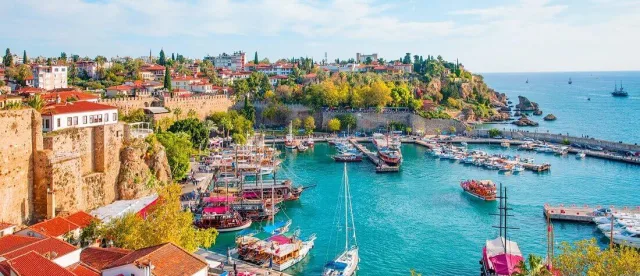
Antalya: coastal landscapes and historical excursions
Antalya offers a different rhythm: sea views, an atmospheric old town, beaches and excursions to archaeological sites and surrounding natural attractions. The Mediterranean coast is appealing for spring and autumn sightseeing as well as summer holidays. Choose a base carefully: staying in central Antalya is not the same as staying at a resort farther along the coast.
See available Antalya experiences and compare the seasons in our Turkey weather and timing guide.
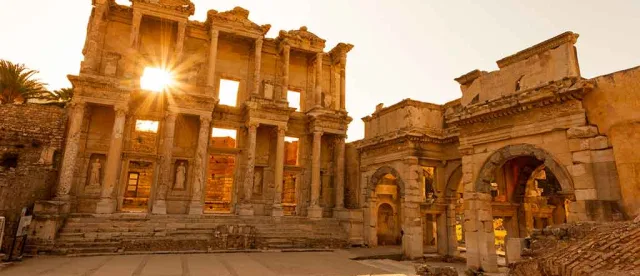
Ephesus and the Aegean: classical sites and coastal towns
Near Selçuk, Ephesus is one of the region's most important ancient sites. The wider Aegean area also includes İzmir, Şirince, Kuşadası and coastal resorts. It is an excellent match for travelers who enjoy archaeology and slower town visits, especially when paired with western Turkey routes.
For an organized option, review the 4-day Cappadocia and Ephesus tour from Istanbul; check the actual itinerary and transfers before booking.
Bursa and the Black Sea: greener alternatives
Bursa works well for Ottoman-era heritage, food and mountain scenery, while the Black Sea region around Trabzon and Uzungöl features green hills, valleys and often changeable weather. These areas deserve their own time instead of being squeezed into a fast cross-country schedule. See the Bursa destination page and our Turkey by region guide for further inspiration.
When Is the Best Time to Travel?
There is no single perfect month for every part of Türkiye. Spring and autumn often balance comfortable sightseeing weather with manageable crowds in many destinations. Summer is popular for beaches, yet inland cities and archaeological sites can be hot. Winter can bring snow to central and eastern areas, while some coastal resorts operate on reduced seasonal schedules.
Use our month-by-month Best Time to Visit Turkey guide to match your travel dates to Istanbul, Cappadocia, Pamukkale, Antalya or the Black Sea.
How to Travel Around Turkey
Within Istanbul and other cities
Public transport is useful for independent sightseeing. Istanbul's metro, tram, ferries and other services cover different parts of the city, but transfer times and traffic should be built into the day. Check official operator maps and service notices shortly before traveling. Taxis and private transfers can make sense with luggage or for early departures; confirm the provider and fare arrangement.
Between major destinations
Domestic flights can reduce lengthy overland travel, especially across regions, but you must add airport transfers and check-in time. Intercity buses reach many areas and can be efficient where rail service is limited. High-speed trains serve selected routes, including İstanbul–Ankara and İstanbul–Konya; they do not connect every major tourist stop. A private transfer can be convenient for a small group if the route, stops and total price are clearly agreed.
Do not select transport solely on the shortest advertised journey time. Check the departure airport or station, baggage rules, seasonal schedules, late-night arrivals and the location of your accommodation.
How Much Does a Trip to Turkey Cost?
Your budget will depend more on travel style, route and season than on a single national average. Use these categories to build a realistic estimate:
| Cost category | What to include |
|---|---|
| Accommodation | Room type, city or resort location, breakfast and local taxes if applicable |
| Transport | International tickets, domestic travel, airport transfers and city transit |
| Sightseeing | Museum/site tickets, guides, experiences and optional upgrades |
| Food | Restaurant choices, snacks, drinks and special dietary needs |
| Flexibility | Travel insurance, contingency buffer and changes to plans |
A two-city trip with a few organized tours may be more predictable than a rushed five-city itinerary. When comparing a package with independent travel, check what is included: flights, hotel category, baggage, entrance fees, meals, guides and transfers. Do not assume a listed “from” price includes all trip costs.
Culture, Etiquette and Everyday Tips
Turkish hospitality is an important part of the travel experience. In mosques and other religious sites, follow local dress and visitor rules; hours may change around prayer times. At bazaars, ask prices politely and compare options without pressure. Carry a payment card plus some lira for small businesses or locations where cash is convenient. Learn a few words such as merhaba (hello) and teşekkürler (thank you).
Keep drinking-water, walking-distance and accessibility needs in mind. Historical districts often have cobblestones, slopes and stairs; cave sites and underground complexes can involve confined passages. Ask your tour provider about step-free access, stairs or long walks before booking rather than assuming that every itinerary is suitable for everyone.
Passport, Visa and Entry Planning
Entry conditions are nationality-specific and may also depend on passport type. Some travelers qualify for visa-free visits; others need an e-Visa or a visa issued by a Turkish diplomatic mission. Check the official visa and travel information guide and the Republic of Türkiye Ministry of Foreign Affairs before booking non-refundable services.
A First-Time Turkey Trip: A Simple Planning Method
- Choose your priorities. History, coastal relaxation, food, scenery and balloon experiences call for different itineraries.
- Choose a trip length. A short trip is better focused on one destination; a longer visit can link regions.
- Confirm entry documents. Check the rules for every traveler, not just the person making the booking.
- Build the route. Group nearby sights and allow time for transfers and rest.
- Select experiences. Reserve limited-capacity or weather-sensitive activities with realistic alternatives.
- Review the full cost. Compare inclusions, cancellation terms and any optional fees.
- Keep a flexible day. Extra time helps when travel delays, bad weather or changes arise.
For ready-made routes, see our Turkey itineraries for 3, 5, 7, 10 and 14 days.
Explore More Turkey Travel Guides
- Best time to visit Turkey — seasonal weather, crowd patterns and planning trade-offs.
- Turkey itineraries — practical routes organized by trip length.
- Turkey visa requirements and travel information — how to check official entry conditions.
- Turkey by region — seven geographic regions and travel ideas.
Plan Your Turkey Journey
Whether you want a short city break or a longer private itinerary, start with the experiences you care about most. Explore our available Turkey tours or contact Turkey Tours Planners to ask about a suitable route, availability and confirmed inclusions.