Quick Comparison of Turkey's Seven Regions
| Region | Typical travel appeal | Sample destinations | Planning note |
|---|---|---|---|
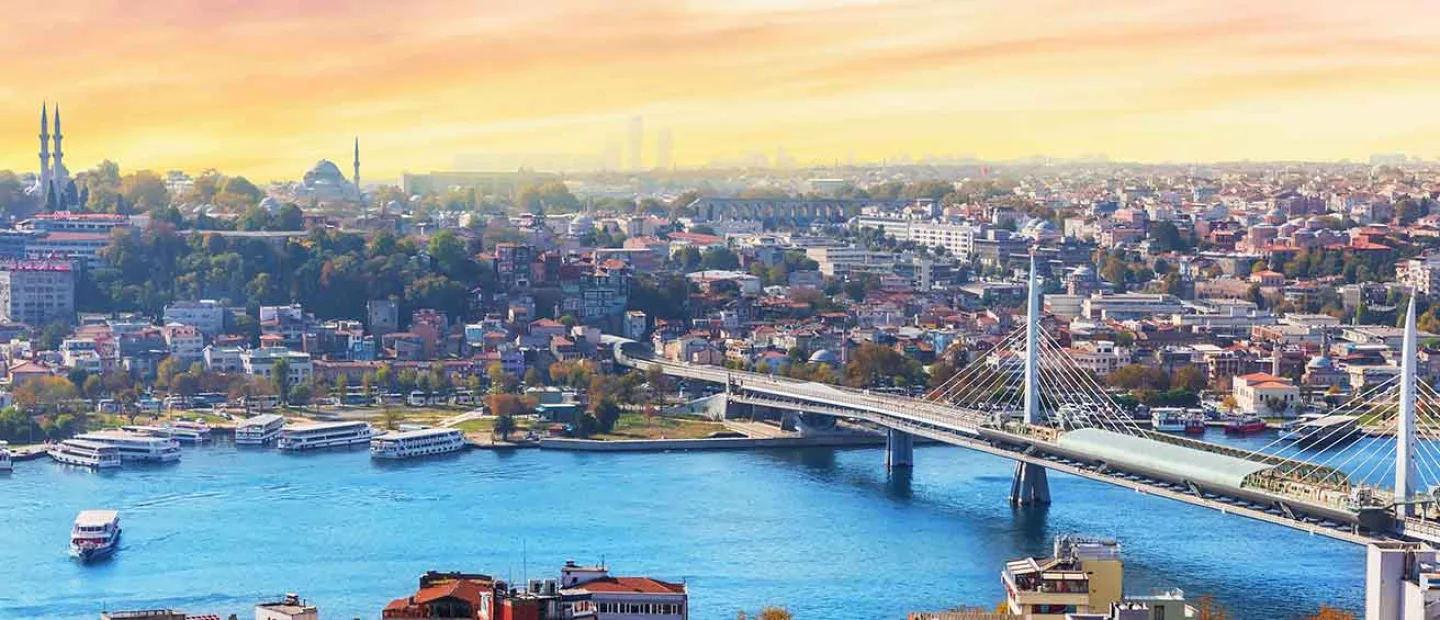
| Marmara | World-city heritage, coastal routes, Ottoman history | Istanbul, Bursa, Edirne | Good introduction for short trips |
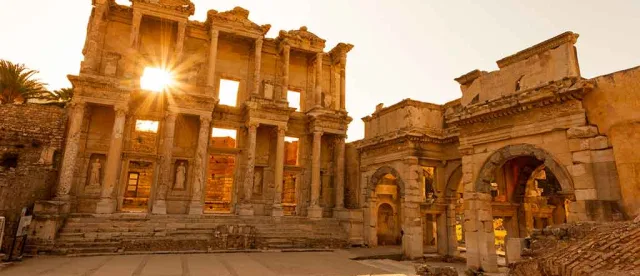
| Aegean | Ancient cities, coastal towns and olive-growing landscapes | İzmir, Ephesus, Kuşadası, Bodrum | Summer coast; spring/autumn for archaeology |
| Mediterranean | Beaches, turquoise bays, old towns and ruins | Antalya, Kaş, Side, Alanya | Coastal holidays and cultural excursions |
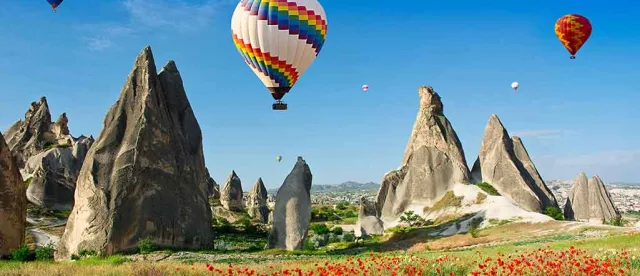
| Central Anatolia | Volcanic scenery, historic towns, inland culture | Cappadocia, Konya, Ankara | Hot summers and colder winters inland |
| Black Sea | Forests, green valleys, mountain towns and lakes | Trabzon, Uzungöl, Rize, Safranbolu | Rain and mist can occur even in warm months |
| Eastern Anatolia | High mountains, lakes, winter landscapes | Van, Kars, Erzurum | Long distances and strong seasonal variation |
| Southeastern Anatolia | Mesopotamian heritage, food and old cities | Gaziantep, Mardin, Şanlıurfa | Very hot summers in many areas |
1. Marmara Region: Istanbul, Bursa and Historic Crossroads
Marmara surrounds the sea of the same name and includes Istanbul and northwestern Turkey. The region combines urban energy with history, ferries, old bazaars, mountain surroundings and landscapes that can be visited on shorter trips.
What to see
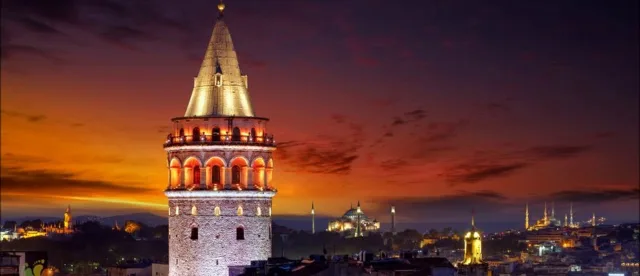
Istanbul is the headline destination: historic Sultanahmet, the Bosphorus, Galata, palaces and neighborhood food culture. Bursa adds Ottoman-era heritage, traditional dishes and access to mountain scenery. Edirne, further west, is known for its monumental architecture and history.
Who should visit?
First-time visitors, people planning a long weekend and travelers interested in architecture, museums, city culture or nearby excursions. You can focus on Istanbul for several days or use it as a base for an additional stop.
Explore: Istanbul tours · Bursa destination page.
2. Aegean Region: Ephesus, İzmir, Kuşadası and Bodrum
The Aegean region is a rewarding mix of classical archaeology, seaside towns, markets and coastal landscapes. It works especially well for travelers who want historic sites and relaxation in the same journey.
What to see
Ephesus near Selçuk is a key archaeological destination. İzmir makes a practical urban hub for the wider area; Kuşadası is a common base for the coast and excursions; Bodrum is a popular seaside destination with a different emphasis on bays and leisure. You can also seek smaller towns and local food experiences rather than treating the area purely as a resort.
Who should visit?
History lovers, photographers, couples and travelers combining archaeological excursions with time by the water. In hot weather, arrange exposed-site visits earlier in the day when practical.
Explore: Bodrum destination page or a Cappadocia and Ephesus multi-day tour.
3. Mediterranean Region: Antalya and the Turquoise Coast
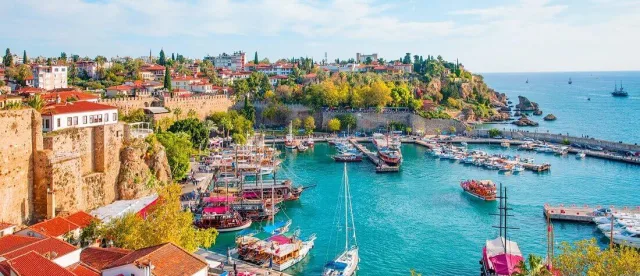
Southern Turkey's Mediterranean coast is associated with beaches, coves, historic harbors and ancient cities. Antalya is a major travel hub, but the region extends well beyond the city, and the distances between coastal resorts can be substantial.
What to see
In Antalya, explore Kaleiçi and the old harbor, or select an excursion that suits your interests and available time. The broader coastline includes places such as Kaş, Side and Alanya, each with different beaches, activities and historical connections. Nature-focused visitors may choose canyon landscapes and coastal viewpoints as alternatives to a resort-only stay.
Who should visit?
Families, beach travelers, active visitors and anyone who wants a warm-weather component to a Turkey itinerary. Spring and autumn can be useful for sightseeing when peak-summer afternoons are hot.
Explore: Antalya travel experiences · Antalya ATV Quad Safari Tour, subject to its published conditions and availability.
4. Central Anatolia: Cappadocia, Konya and Ankara
Central Anatolia is a large inland region with plateau landscapes and distinct seasonal weather. Cappadocia is its most internationally recognizable tourism area, but the region also includes the capital Ankara and the cultural heritage of Konya.
What to see
Cappadocia is known for fairy chimneys, valleys, cave churches and underground settlements. The Göreme-area rock heritage is part of a UNESCO World Heritage property. Konya provides a different cultural focus associated with the Mevlana heritage, while Ankara is relevant for museums and the story of modern Turkey.
Who should visit?
Nature and culture travelers, photographers, visitors interested in geology and history, and people creating a route between Istanbul, Cappadocia and southern Turkey. Prepare for cold mornings outside summer and remember that balloon departures are weather-dependent.
Explore: Cappadocia destination page · North Cappadocia Red Tour.
5. Black Sea Region: Trabzon, Uzungöl and Mountain Landscapes
The Black Sea region offers a greener, wetter side of Turkey. Forested hills, tea-growing landscapes, mountain roads and lakeside areas create a different atmosphere from the Aegean and Mediterranean coasts.
What to see
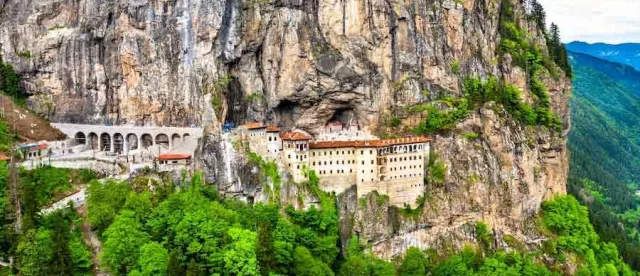
In the eastern Black Sea area, Trabzon is a key base and Uzungöl is a familiar scenic destination. Rize is associated with lush hills and tea country. Further west, historic towns such as Safranbolu offer architecture and cultural interest. Mountain routes and sightseeing depend on season, visibility and road conditions.
Who should visit?
Travelers looking for green landscapes, photography and a quieter nature-focused route. Allow flexibility for rain or fog; good weather cannot be assumed even during summer.
Explore: See Turkey itineraries for route-planning principles, or contact our team to ask whether a suitable Black Sea trip is currently available. Do not publish an invented Trabzon tour link if no matching product exists.
6. Eastern Anatolia: Lakes, Mountains and Winter Contrasts
Eastern Anatolia is associated with elevated terrain, broad landscapes, high mountains and strong temperature contrasts. Journeys in this region may involve longer road segments and a different approach to accommodation, weather and route planning.
What to see
Lake Van and its surroundings offer lake views and regional history. Kars is known for distinctive architecture and its access to wider historical landscapes, while Erzurum has strong cultural and winter-sport associations. Some high-altitude routes may be difficult or seasonally affected.
Who should visit?
Experienced regional travelers, history enthusiasts, nature lovers and those comfortable planning around changing weather. Check transport and accessibility before making a tightly timed itinerary.
Explore: Our Turkey travel guide for general planning. This page introduces the region; it does not imply that Turkey Tours Planners currently operates every destination named here.
7. Southeastern Anatolia: Food, Archaeology and Living Heritage
Southeastern Anatolia includes ancient settlements, important archaeological heritage, architecture and some of Turkey's most distinctive food traditions. Summer can be extremely hot in many inland locations, making timing especially important.
What to see
Gaziantep is well known for regional cuisine and cultural experiences. Şanlıurfa and the wider area offer layers of history, including access to remarkable archaeological heritage. Mardin is valued for its hillside architecture and distinctive urban landscape. Travelers should check site access and local conditions before departure.
Who should visit?
Food travelers, people interested in early history and travelers seeking a cultural itinerary beyond Turkey's best-known beach destinations. Spring and autumn are often more comfortable than the hottest part of summer for outdoor exploration.
Explore: Read our best time to visit Turkey guide before selecting dates. For specialist regional arrangements, verify what services are currently offered.
How to Build a Trip Around Turkey's Regions
For 3–5 days: Stay within one region, such as Istanbul in Marmara or a concentrated Cappadocia trip in Central Anatolia.
For 7 days: Combine two regions with a realistic travel connection, for example Istanbul and Cappadocia. Adding Antalya is possible for some travelers but creates a busier trip.
For 10–14 days: Consider a wider route linking Istanbul, Cappadocia, western archaeological sites and the Mediterranean coast. Plan arrival and departure airports together to avoid unnecessary backtracking.
The exact journey depends on flights, railway availability, road conditions, budget and your preferred pace. Explore our sample Turkey routes for 3 to 14 days and travel seasons by destination.
Region-Based Travel Tips
- Plan by distance, not only by region names. Two destinations in the same region may still be hours apart.
- Consider climate. Rainfall, elevation and coastal conditions create sharp local contrasts.
- Keep sightseeing realistic. An archaeological visit can require hours of outdoor walking.
- Check the transport network. Not all destinations have direct flights or high-speed rail.
- Look beyond the highlights. Smaller towns and local markets can enrich a trip without adding a new long-distance transfer.
- Respect local communities and heritage. Follow conservation rules, especially at archaeological and natural sites.
Explore Destinations and Tours
Start with Istanbul, Cappadocia, Pamukkale, Bursa, Antalya and Bodrum. For packages across more than one area, browse available Turkey tours or contact Turkey Tours Planners about your preferred route.
