

Turkey's Four Travel Seasons
Spring: March to May
Spring often works well for city sightseeing, gardens and historical sites. Istanbul and western Turkey become more comfortable for walking as temperatures rise. April and May can be appealing for combining cultural attractions with outdoor excursions, although rainfall and cooler evenings are possible. In Cappadocia, mornings may remain chilly and weather can still interrupt balloon operations.
Best suited to: city breaks, hiking on suitable trails, heritage trips and multi-stop itineraries.
Summer: June to August
Summer is a major beach season on the Aegean and Mediterranean coasts. Antalya and other seaside areas are popular, especially during holiday periods. The trade-off is heat: exposed archaeological sites, city streets and inland valleys can feel uncomfortable at midday. In Istanbul, plan shade, hydration and breaks between major sights.
Best suited to: beach holidays, swimming and coastal stays; combine sightseeing with early starts.
Autumn: September to November
Early autumn often brings pleasant conditions for cultural touring and may still allow swimming along parts of the southern coast. September and October can be particularly versatile for itineraries spanning Istanbul, Cappadocia and western Turkey. Later autumn tends to become cooler and wetter in many areas, with earlier sunsets.
Best suited to: mixed city-and-nature trips, archaeology, food experiences and autumn landscapes.
Winter: December to February
Winter brings a quieter, different side of Turkey. Istanbul can be cold and wet; Cappadocia may see snow and freezing temperatures; eastern mountains experience more severe winter conditions. Coastal destinations are milder than inland areas, but many summer-oriented facilities reduce hours or close seasonally. Winter photography can be striking, but flexible plans are essential.
Best suited to: museums, seasonal city trips, winter scenery and select mountain activities.
Turkey Weather and Travel: Month-by-Month Planner
| Month | General travel character | What to consider |
|---|---|---|
| January | Winter city breaks and possible snow inland | Cold, rain or snow; shorter daylight; check seasonal openings |
| February | Quiet cultural sightseeing and winter landscapes | Unpredictable weather; allow flexibility for outdoor activities |
| March | Transition into spring | Variable temperatures and showers; pack layers |
| April | Spring city and archaeological visits | Popular holiday periods can affect availability |
| May | Strong all-round sightseeing month in many regions | Some destinations may already be busy; book key experiences ahead |
| June | Warmer sightseeing and start of peak coastal demand | Heat increases inland and at exposed sites |
| July | High summer and busy beach resorts | Strong sun, high temperatures and crowded resort areas |
| August | Continued summer beach season | Hot afternoons; plan early starts for walking-intensive tours |
| September | Beach weather in many coastal areas plus sightseeing | Demand may remain high in popular places |
| October | Often comfortable for mixed cultural itineraries | More variable weather later in the month |
| November | Cooler, quieter shoulder season | Rain, earlier sunsets and reduced seasonal offerings |
| December | Winter atmosphere, city breaks and mountain scenery | Check opening times, transport and weather contingencies |
This table describes typical seasonal conditions. It is not a forecast, a promise of flight operations or a guarantee that a particular attraction will be open. Check official weather forecasts close to departure.
Best Time to Visit Istanbul
Istanbul is a year-round destination because many of its highlights are museums, historic districts, markets and neighborhoods rather than activities dependent on swimming weather. Spring and autumn generally suit long walks between Sultanahmet, Galata, the waterfront and local neighborhoods. In summer, plan an earlier start; in winter, allow for rainy days and shorter outdoor sightseeing windows.
A Bosphorus ferry or cruise can be memorable in any season, but wind or changing marine conditions may affect the experience. See our Istanbul destination page for tour options.
Best Time to Visit Cappadocia and Hot-Air Balloons
Cappadocia has a continental climate: summer days can be hot, while winter can be very cold and snowy. Spring and autumn are popular for valley walks and scenic views. Early mornings—even in warmer months—may feel cool, especially around balloon departure times.
Can you fly in a balloon all year? Flights may be offered in multiple seasons, but every departure is subject to weather and operational authorization. Wind, visibility and other safety conditions can cause cancellations. If a balloon flight matters to your trip, consider staying at least two or three nights rather than planning a single morning. Even with extra time, a flight cannot be guaranteed.
Browse Cappadocia tours and compare the North Cappadocia Red Tour for a ground-based sightseeing alternative, subject to its current availability.
Best Time to Visit Antalya and the Mediterranean Coast
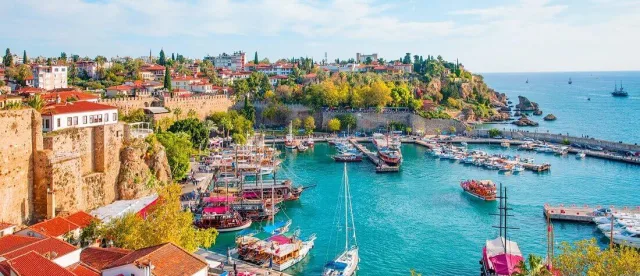
Antalya is well suited to coastal holidays from late spring into early autumn, with summer generally bringing the strongest beach-oriented demand and higher heat. Spring and autumn can be more comfortable for historical excursions and coastal walking. Swimming conditions, water temperatures and resort openings vary by month and exact location, so verify what matters to you rather than relying on generalized regional averages.
See Antalya tours and experiences for options beyond the beach.
Best Time to Visit Pamukkale and Ephesus
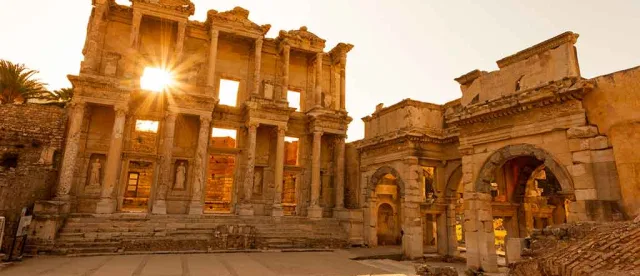
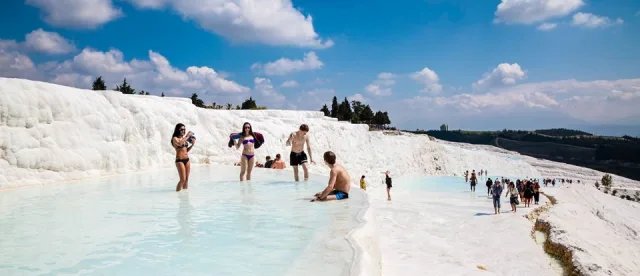
Pamukkale and Ephesus involve substantial outdoor walking with limited shade in some areas. Spring and autumn are often more pleasant for exploring archaeological sites. Summer visits can still work, particularly with an early start, sun protection and water. In winter, expect a cooler visit, sometimes with rain.
Because conservation measures can change access to individual travertine areas, check on-site instructions no matter which month you choose. Browse Pamukkale tours or a Cappadocia and Pamukkale itinerary.
Best Time to Visit Trabzon and the Black Sea
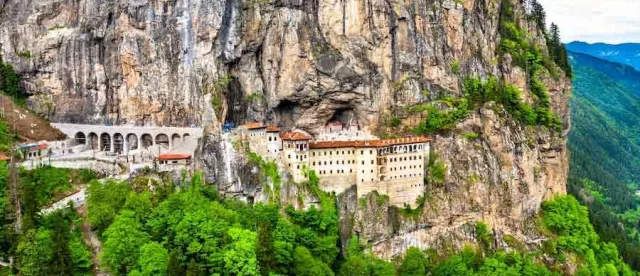
The Black Sea coast and its mountain districts have a wetter climate than much of the Mediterranean coast. Late spring through early autumn offers opportunities for green scenery, lakeside stays and hiking where conditions permit. Even then, mist and rain can change views and road conditions. If your priority is landscapes around Trabzon or Uzungöl, leave flexibility in your schedule.
For further regional comparisons, visit our guide to Turkey's seven regions.
What About Prices, Crowds and Booking Availability?
Demand is not uniform across Turkey. A beach property may be busiest during summer, while urban destinations experience peaks around major holidays and popular travel periods. Prices also depend on hotel category, flight availability, group size and how far ahead you book. Instead of claiming that a particular month is always cheapest, compare offers for your exact dates and ask about cancellation conditions.
A simple planning rule: book fixed-date flights and high-priority activities early, while leaving some free time for weather-dependent experiences. If your schedule is flexible, shifting your stay by a few days may offer more choices.
What to Pack by Season
| Trip type | Useful items |
|---|---|
| City sightseeing | Comfortable walking shoes, layers, small day bag |
| Cappadocia mornings | Warm outer layer even outside winter; appropriate footwear |
| Summer coast | Sun protection, light clothing, reusable water bottle |
| Spring/autumn touring | Light rain jacket, adaptable layers |
| Winter inland | Insulating clothing, weather-resistant footwear and gloves |
Choose a Route for Your Dates
Once you have chosen the season, compare Turkey itineraries, browse available tours and packages, or contact our team to discuss an itinerary that matches your travel dates and interests.